I’ve stared at more blank pages than I’d like to admit—sometimes with purpose, sometimes just because inspiration took a day off. If you’ve ever found yourself second-guessing a grid or wondering why a layout feels “off,” you’re not alone. Design is equal parts instinct and structure. The good news? You don’t have to reinvent the grid every time.
In this guide, I’ll walk you through creative layout ideas that don’t just look good—they work. Whether you’re refining your portfolio or working on a client project, these examples and strategies will help you build pages that feel balanced, clear, and just the right amount of bold.
Here’s what you’ll find inside:
- Real layout examples that actually hold up in live projects
- Smart tips to build better structure and flow
- How I decide when to break the “rules”
- Why whitespace isn’t wasted space
- Subtle ways to lead the eye without yelling at it
- A few layout quirks that grew on me (and might on you too)
No fluff. No filler. Just things I’ve tested, tweaked, and trust.
1. Bella and Bloom
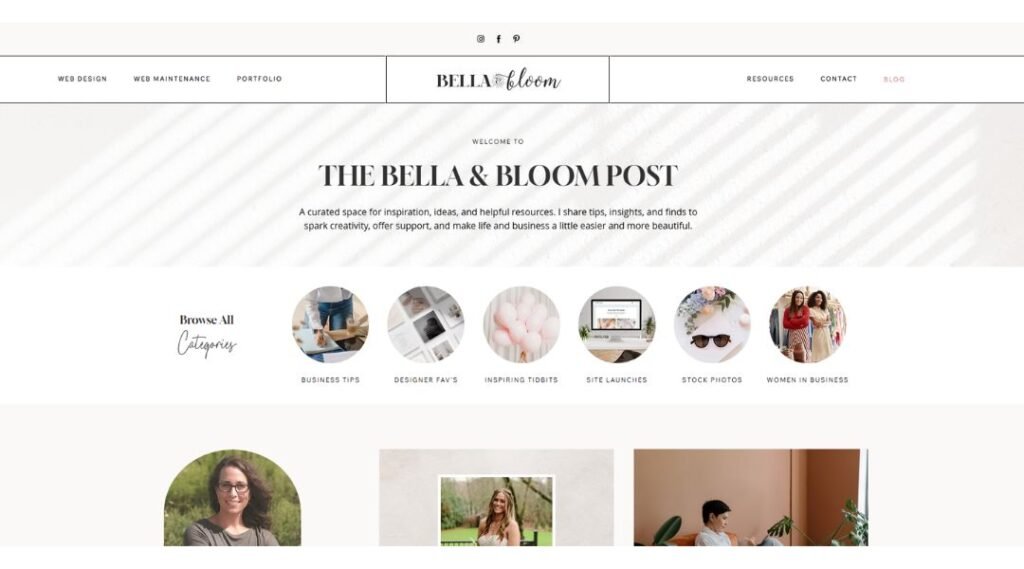
Bella & Bloom isn’t your average design blog—it’s a visual pick-me-up with a purpose. Run by a Dallas-based designer with an eye for feminine interiors and bold brand aesthetics, this site is equal parts practical and pretty.
The blog reads like a creative conversation. Posts cover everything from workspace makeovers to social media tips, all written in a tone that feels like chatting with a well-organized, stylish friend who’s not afraid of a little gold foil.
What stands out? The consistency. Color schemes, photography, and tone all line up—no guesswork, just good design. And while the brand leans feminine, the ideas are sharp and the execution polished. You’re not just scrolling; you’re learning how to create spaces and visuals that stick.
No hard sells, no filler—just smart, actionable design wrapped in a cohesive brand voice. It’s clear Bella & Bloom isn’t just about looking good. It’s about helping others build something beautiful—with style, strategy, and a touch of sass.
2. AAKS Online
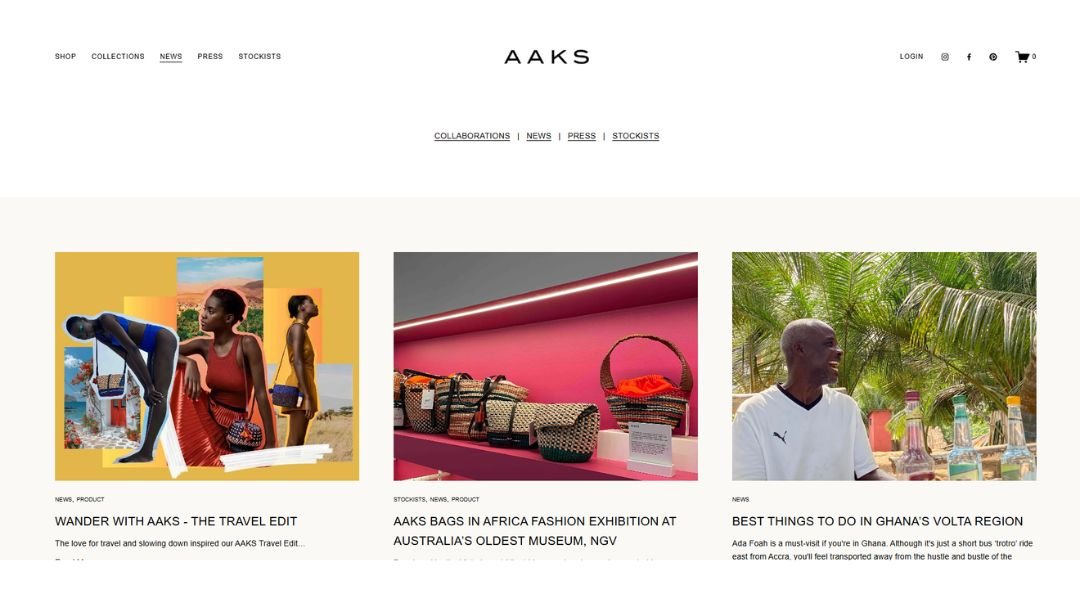
The news section of AAKS isn’t just about company updates—it’s a reflection of growth, culture, and purpose. Rooted in Ghanaian tradition and global creativity, AAKS uses this space to spotlight milestones, partnerships, and the people behind the woven handbags that have caught international attention.
What makes it work? Clarity and heart. Each post brings readers closer to the brand—not just what’s new, but why it matters. From design collaborations to community initiatives, the updates are thoughtfully written, never bloated.
And while the stories are corporate in theme, they don’t feel distant. You’ll find team insights, behind-the-scenes looks, and features that show AAKS is as much about impact as it is about craftsmanship.
It’s more than just a press section—it’s a timeline of intention. Whether you’re a longtime supporter or discovering the brand for the first time, the news page gives you a clear picture of what AAKS stands for: heritage, innovation, and a business model woven with care.
3. Brooklinen
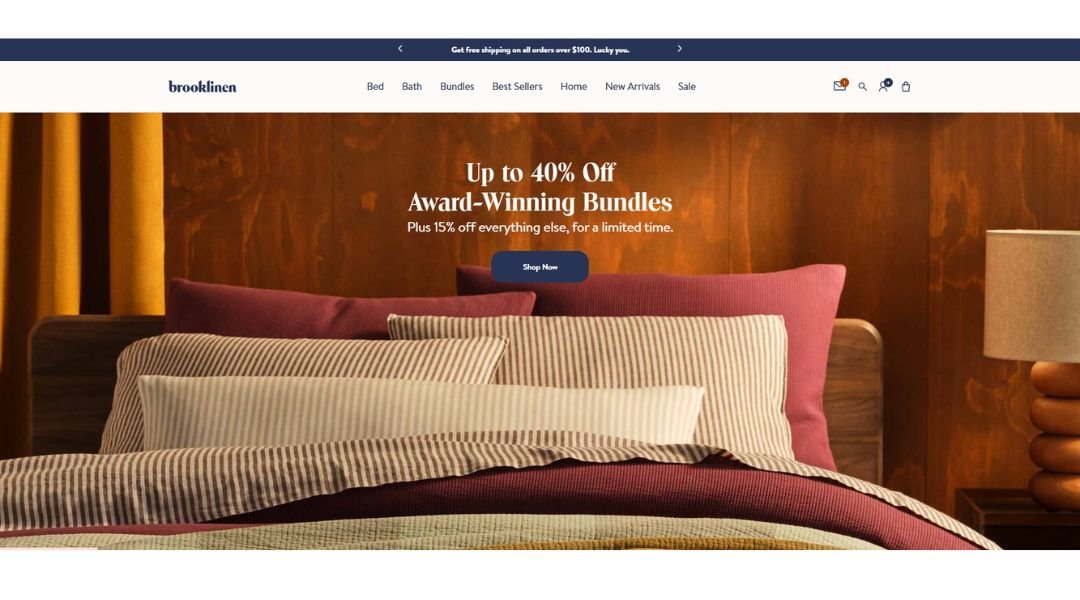
Brooklinen’s blog, Brookliving, feels like the calm side of the internet. It’s cozy, clean, and focused on helping readers live a little better—without trying too hard.
From sleep routines to home refresh ideas, every post serves a real purpose. There’s a clear voice throughout: friendly, informed, and just a bit cheeky when the moment calls for it. Think practical tips on bedding care or morning rituals, mixed with deeper dives into wellness and home style—minus the jargon.
What stands out is the balance. It’s lifestyle content that’s actually useful, paired with product mentions that don’t scream “sales pitch.” Instead, the blog reads like it was written by someone who actually folds their fitted sheet (and knows you might not).
Whether you’re trying to improve your sleep game or just want to make your bedroom feel more “you,” Brookliving offers the kind of approachable advice that fits into real life. No fluff—unless it’s the down kind.
4. ESG Success Quick Reads
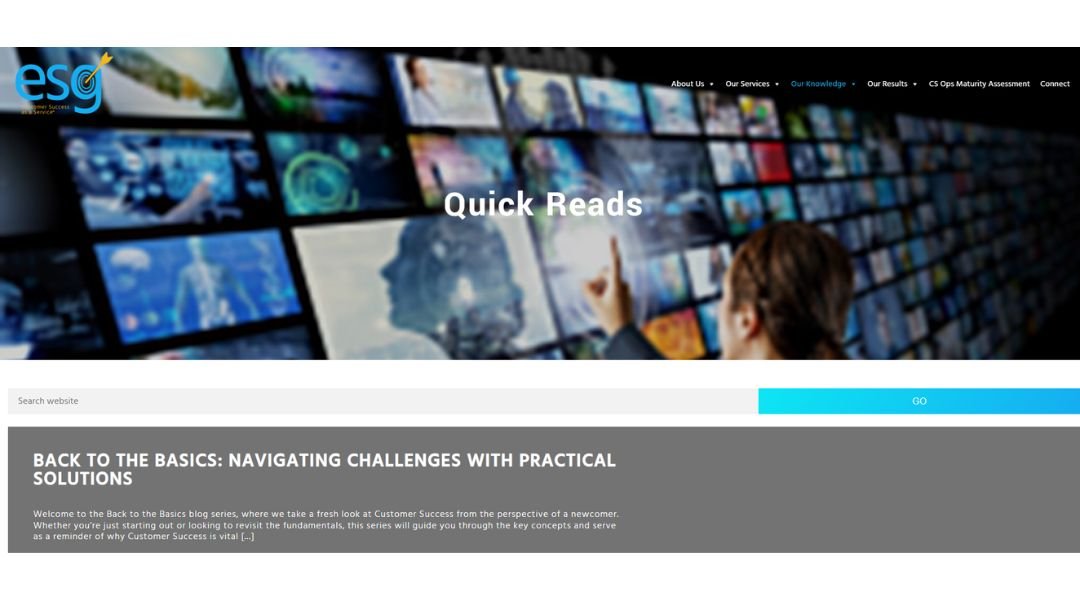
The Articles section at ESG Success is more than a resource hub—it’s a straight-talking guide for leaders who want to build stronger, more human-centered organizations. Focused on employee engagement, internal communication, and leadership development, the content strikes a balance between practical and thought-provoking.
Each post tackles real workplace challenges—quiet quitting, recognition gaps, cultural disconnects—without burying readers in theory. The writing is clean and to the point, with clear takeaways for anyone managing people, culture, or change.
What sets it apart? The tone. It’s sharp without being stiff, and solutions-focused without sounding like a sales manual. There’s a consistent thread of empathy, too—these aren’t articles for executives in ivory towers; they’re written for leaders on the ground, figuring it out day by day.
Whether you’re trying to re-energize a disengaged team or build a more transparent culture, ESG Success gives you the language, ideas, and confidence to move things forward—one practical shift at a time.
5. Notion
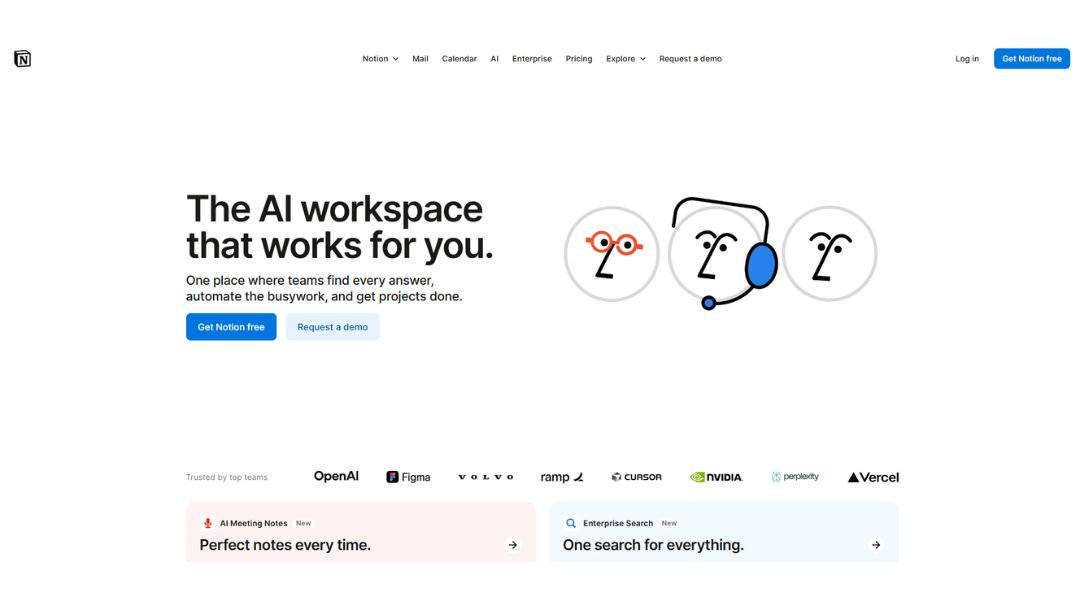
The Notion Blog isn’t just a feed of product updates—it’s a curated space where creativity meets clarity. From productivity tips to team workflows, each post feels like it was built inside Notion itself: clean, flexible, and just organized enough to keep your brain happy.
The writing is sharp and user-focused. Whether it’s highlighting new features or showcasing how teams around the world stay on track, the blog keeps the spotlight on real use cases—not corporate buzzwords. Posts are thoughtful but never bloated, often backed by stories from designers, developers, and everyday users who’ve made Notion their own.
What makes it stick? Personality. There’s a casual confidence to the tone, with just enough wit to keep things fresh. It’s informative without sounding like a manual, and aspirational without overpromising.
If you’re building systems, organizing ideas, or simply want your digital life to feel a little more seamless, the Notion Blog offers a smart, well-designed nudge in the right direction.
6. Zen Habits
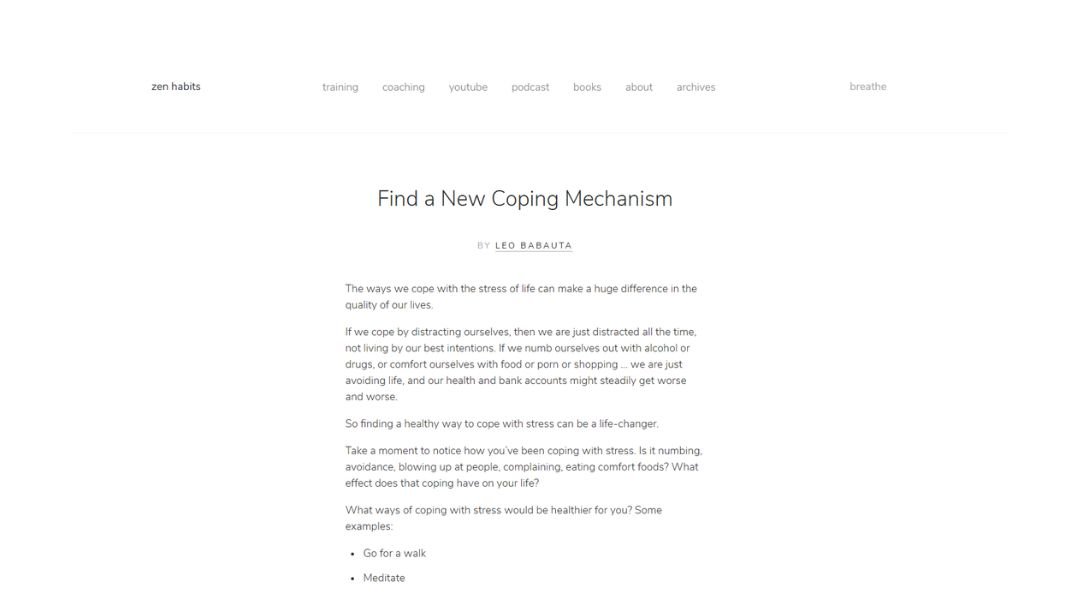
Zen Habits isn’t loud, flashy, or trying to keep you scrolling. It’s calm on purpose—and that’s exactly the point. Created by Leo Babauta, the blog is a quiet space for people who want to live with more intention and less clutter, both mentally and physically.
The posts are stripped down, both in style and in message. No bold claims or busy layouts—just honest reflections and practical advice on habits, mindfulness, and making room for what actually matters. Whether it’s tackling procrastination, dealing with stress, or learning to sit with discomfort, each piece invites you to slow down and look inward.
What stands out is the tone: gentle but direct. Leo writes like someone who’s been through the noise and chosen silence—not to escape, but to listen better.
Zen Habits doesn’t give you a five-step formula for success. Instead, it offers questions worth asking and space to think clearly. In a world full of hustle and distraction, that’s not just refreshing—it’s necessary.
7. Austin Kleon
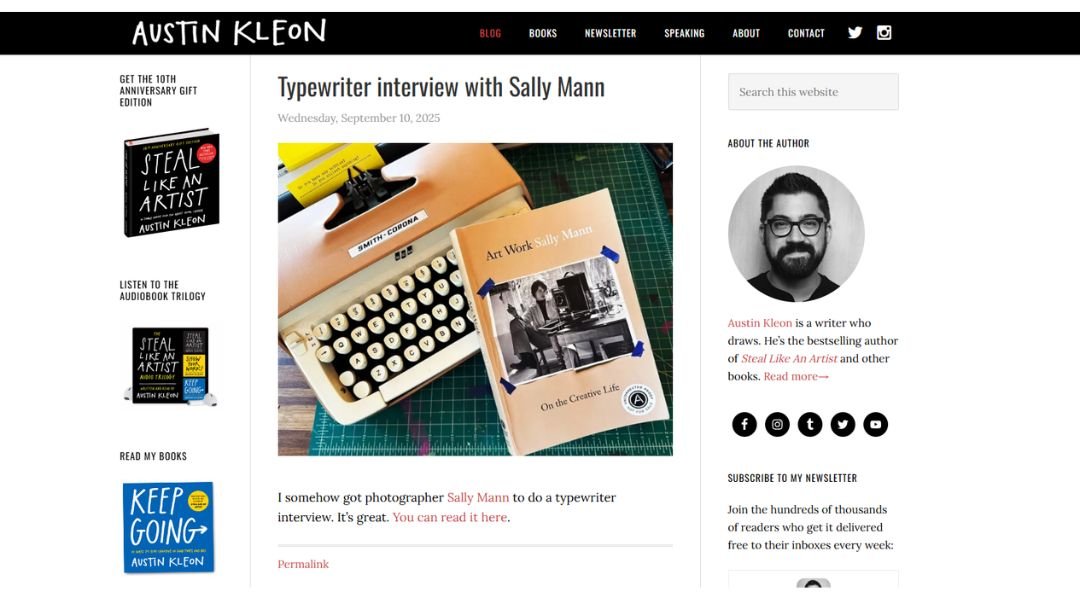
Austin Kleon’s site is part blog, part sketchbook, part ongoing conversation—and that’s exactly how he likes it. An author who draws and a thinker who writes, Kleon uses his corner of the internet to explore creativity in real time, without dressing it up too much.
The posts are punchy, thoughtful, and refreshingly low on polish. Whether he’s sharing a quote, a notebook doodle, or a half-formed idea, it all feels intentionally raw—like creativity caught in motion. There’s structure, but no stiffness. Some posts are deep dives, others are just a few words that somehow stick with you for days.
What makes it different? Personality. He writes the way people think: a little scattered, curious, honest. It’s not about shouting expertise—it’s about showing up, paying attention, and making things anyway.
You don’t visit Kleon’s site for polished conclusions. You visit to remember that making things is messy, fun, and worth doing—even on the days when nothing feels particularly profound.
8. Deem
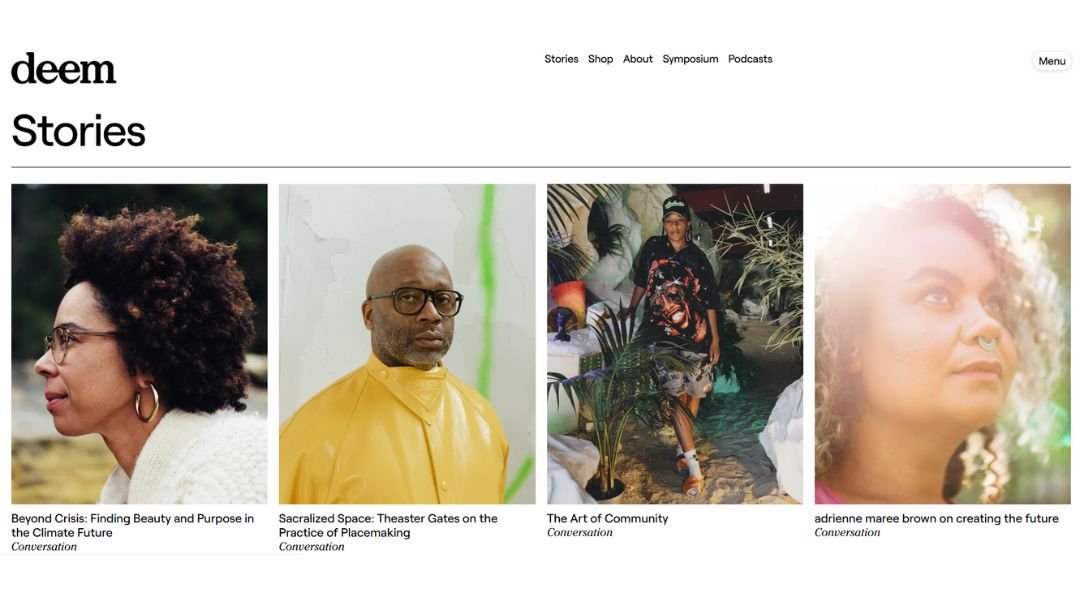
The Stories section of Deem Journal doesn’t just document design—it examines how it intersects with care, equity, and community. Each piece reads like a thoughtful dialogue rather than a monologue, elevating voices that are often left out of mainstream narratives.
What makes this space powerful is its purpose. The writing is rich but never overwhelming, pulling readers into conversations around culture, social systems, and lived experience. Rather than focusing on aesthetics alone, these stories ask deeper questions: Who is design for? And who gets to define it?
There’s a quiet boldness to the tone—respectful, curious, and unafraid to challenge the status quo. Interviews, essays, and reflections come together to form something layered yet accessible.
It’s not content for content’s sake. It’s storytelling with roots, giving designers, educators, and community builders a place to pause, reflect, and reimagine how design can truly serve people.
9. InVision App Inside Design
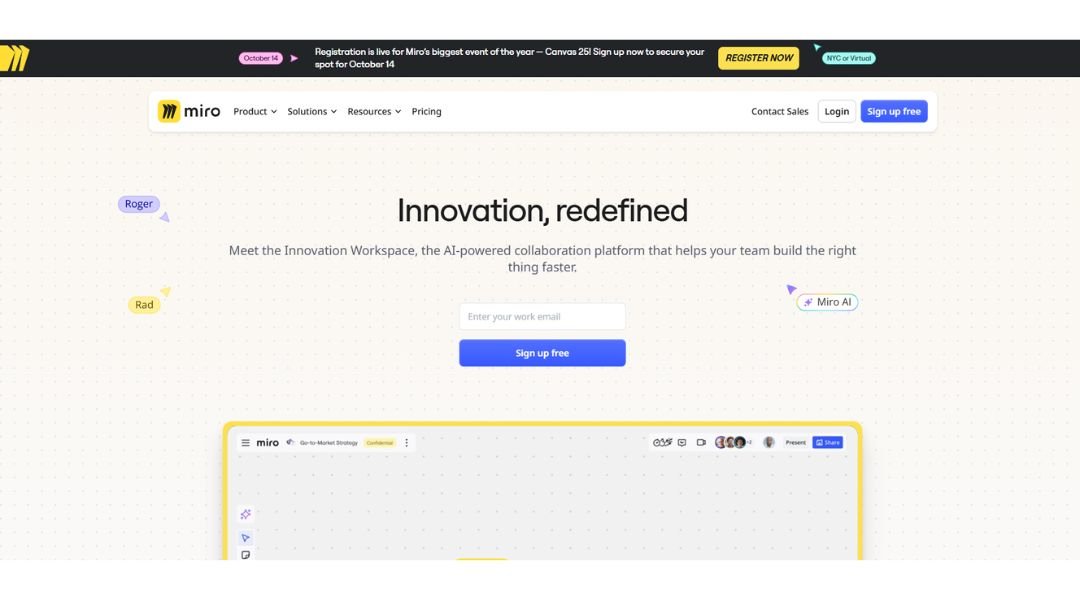
Inside Design by InVision is more than a blog—it’s a behind-the-scenes look at how design really happens inside teams, tools, and everyday workflows. It speaks directly to designers, product teams, and curious creatives who want more than just pretty interfaces.
Each post delivers value without the fluff. You’ll find deep dives into collaboration, product thinking, design systems, and the evolving role of creativity at work. The tone is smart but accessible, mixing practical tips with real-world examples from companies that don’t just talk design—they build with it.
What makes it stand out? Candor. The writing feels like a peer sharing lessons learned, not a brand broadcasting from a podium. Whether it’s insights from a design leader or a peek at a new workflow, the stories stay grounded in day-to-day reality.
It’s a space where designers can sharpen their skills, rethink their process, or just feel seen in the messy, rewarding work of creating something meaningful—together.
10. Math3ma A Math Blog
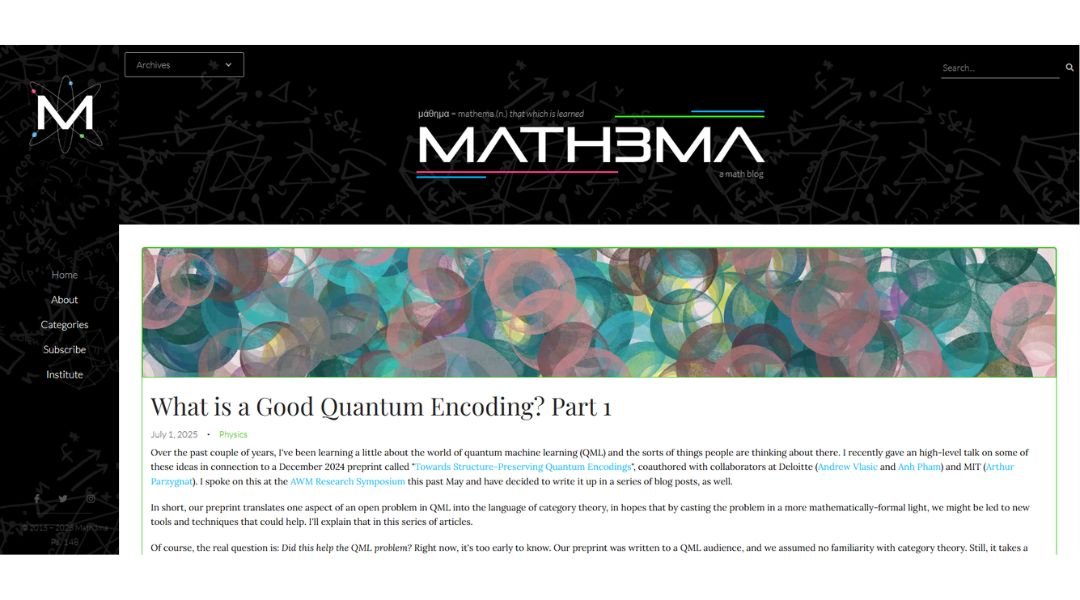
Math3ma is what happens when rigorous thinking meets thoughtful explanation. Created by mathematician Tai-Danae Bradley, the blog turns abstract math—especially category theory and quantum ideas—into something surprisingly approachable.
The writing feels like a quiet conversation between equals. No condescension, no over-explaining. Just clear language, helpful diagrams, and a genuine curiosity about how math connects to the world and to itself. Whether you’re a grad student, a math enthusiast, or just math-adjacent, there’s something here that invites you to slow down and think deeper.
What’s refreshing is the tone: gentle, precise, and never rushed. Posts are carefully structured, with complex ideas unwrapped at a pace that respects the reader’s attention. It’s not about dumbing down—it’s about illuminating.
Math3ma isn’t a tutorial site or a news feed. It’s a reflection space. A place where advanced ideas are welcomed, explored, and explained—not with hype, but with care.
11. One Mag Issues
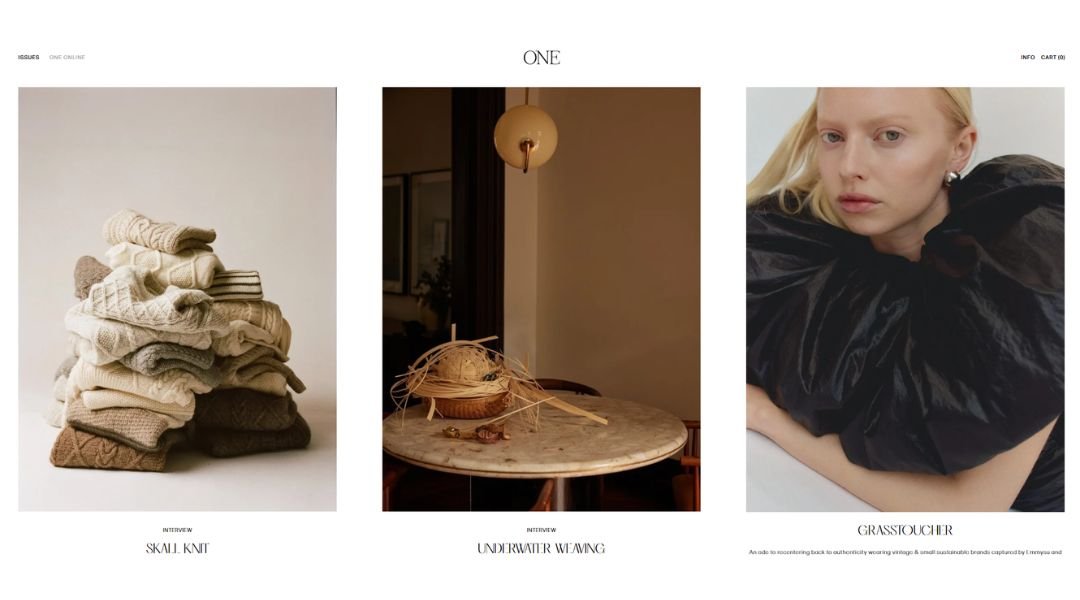
The ONE Online section delivers more than headlines—it offers powerful stories, advocacy updates, and data-driven insights that matter. This is a platform for changemakers: journalists, experts, and activists working toward global equality and justice.
Articles here are purposeful and punchy. Short reflections on campaigns, fresh perspectives on policy, and hard facts blend seamlessly—no fluff, only clear, actionable content. The tone stays direct and optimistic, with enough grit to honor real-world struggles but enough hope to inspire change.
What stands out is credibility. You’ll find work rooted in research, grounded in facts, and often tied to lived experience. Despite covering complex issues like poverty and human rights, the writing remains readable—focused, empathetic, unwavering.
Whether you’re an advocate, a supporter, or just curious, ONE Online makes it easy to stay informed and motivated. It’s the kind of space that informs you, moves you, and gives you a voice in something bigger.
12. All The Party Pandas
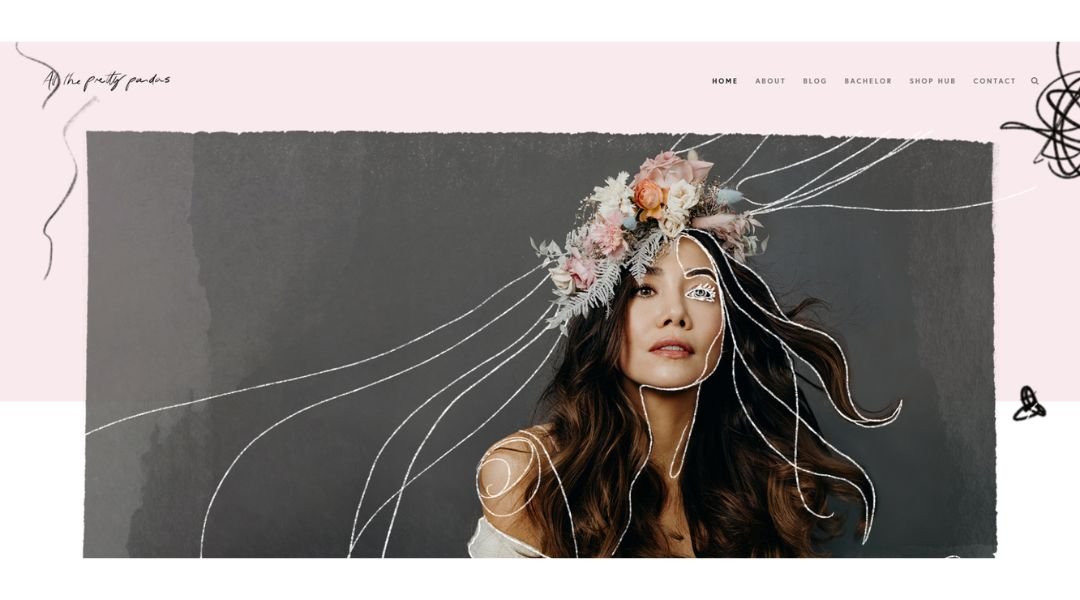
All the Pretty Pandas isn’t just another recap blog—it’s a sharp, thoughtful look at reality TV with just the right mix of wit and warmth. Run by Sharleen Joynt, an opera singer and former Bachelor contestant, the blog offers a unique perspective: insider enough to know the tricks, honest enough to call them out.
Each post reads like a chat with a perceptive friend—one who notices the small stuff, questions the edit, and doesn’t fall for every dramatic cutaway. Her commentary digs deeper than who got the rose, touching on social dynamics, casting trends, and the emotional layers often glossed over on screen.
What makes it stick? Sharleen’s voice. It’s articulate, dryly funny, and refreshingly grounded. She’s not here to roast contestants or chase clicks—she’s here to offer smart, fair observations that fans and skeptics alike can appreciate.
Whether you’re a Bachelor loyalist or a casual viewer, All the Pretty Pandas gives you something most recap blogs don’t: genuine insight with just the right amount of sass.
13. Ted Blog
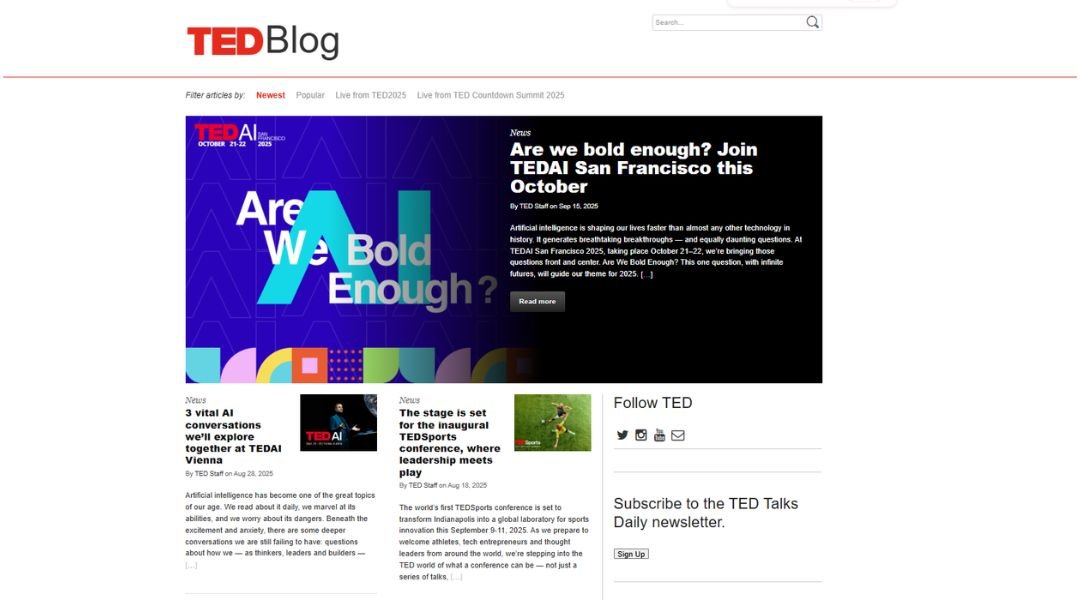
The TED Blog extends the stage beyond the talks. It’s a space where complex ideas get room to breathe—translated into everyday language without losing their depth. Whether it’s a behind-the-scenes look at a TED speaker’s journey or a timely response to global issues, each post offers clarity without oversimplifying.
The writing strikes a balance between intellectual and accessible. Posts are structured but never stiff, bringing together research, storytelling, and reflection in digestible formats. It’s the kind of content that doesn’t just inform—it invites readers to think more broadly about how knowledge connects to daily life.
What makes it work? Consistency. Whether it’s a science deep dive, a leadership lesson, or a cultural insight, the tone remains focused, warm, and respectfully curious. You’re not being lectured—you’re being let in.
For readers looking to stay inspired, informed, and just a bit more open-minded, the TED Blog is a reliable stop. It’s where ideas stretch past the stage and into the conversations we carry with us.
14. Ape to Gentleman
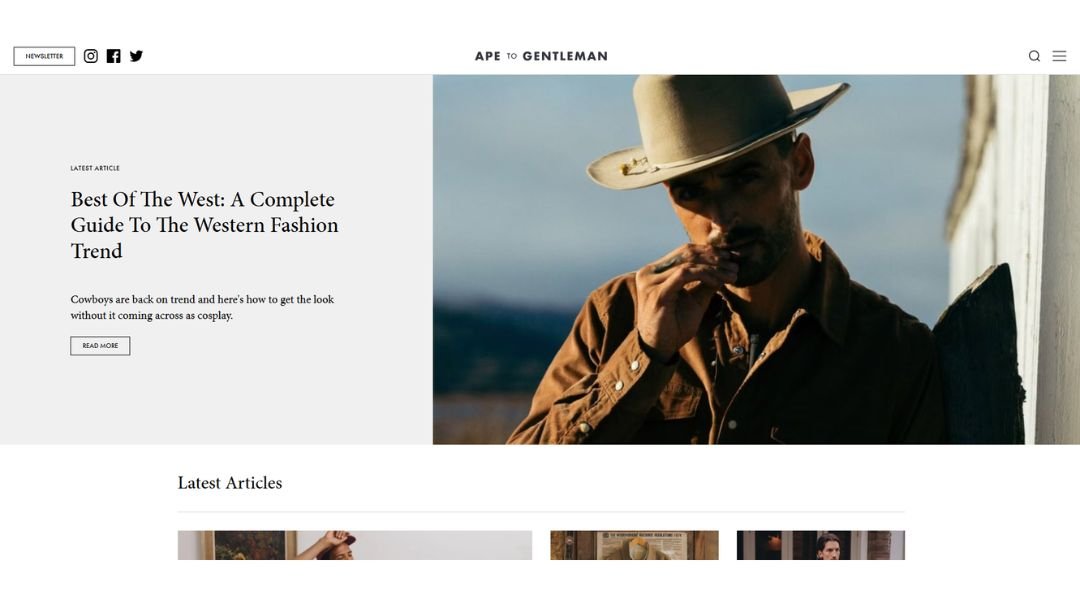
Ape to Gentleman isn’t just about looking good—it’s about living well. Focused on the modern man, the site blends timeless style advice with practical insights on grooming, culture, travel, and wellness. It’s not trend-chasing; it’s refinement, thoughtfully presented.
The writing is clean and to the point. Each article delivers clear takeaways—whether it’s how to wear a linen suit without looking like a crumpled napkin, or which skincare ingredients actually matter. There’s an underlying respect for quality over quantity, with every recommendation feeling deliberate, not sponsored into oblivion.
What makes it work is the tone: understated confidence. It assumes the reader is intelligent and curious—someone who values craft, not flash. And while the aesthetics are sharp, the advice never leans into snobbery.
Whether you’re leveling up your wardrobe or trying to decode fragrance notes, Ape to Gentleman provides guidance that’s equal parts classic and current. It’s not just a style guide—it’s a manual for modern, well-rounded living.
15. Atelier and Avenue Observations
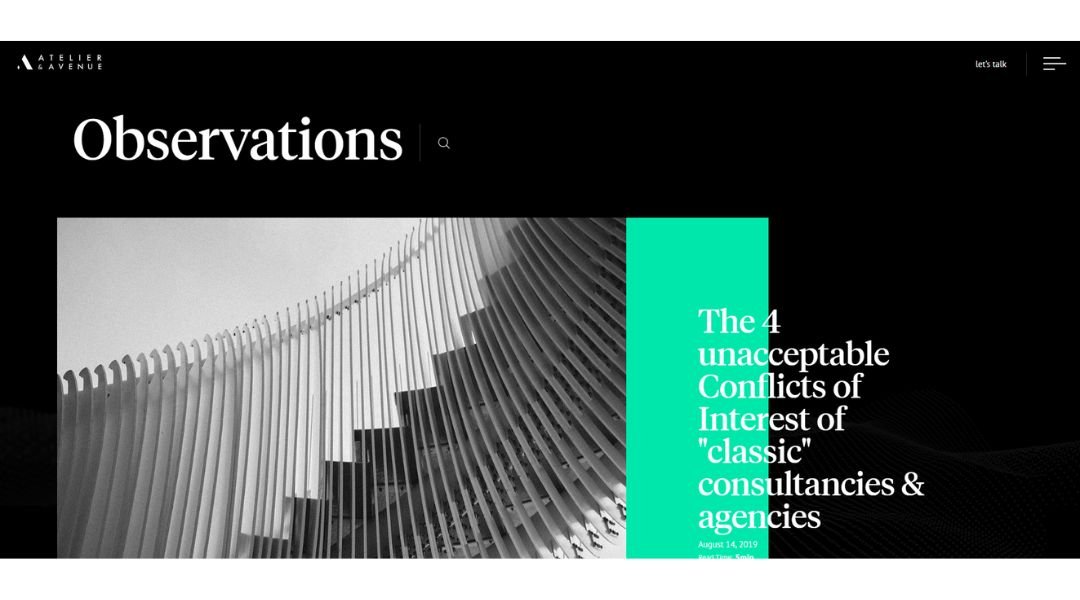
Observations is more than a thought‑leadership hub—it’s a sharp, insider’s look at how luxury and fashion brands should approach digital transformation. From unpacking conflicts of interest in traditional agencies to evaluating the rise of e‑commerce leaders like Tom Ford, these posts are concise but grounded.
Each article dives into a real issue—like why media buying and creative should live under one roof—without resorting to jargon or fluff. The tone is direct, measured, and backed by experience. Think peer‑to‑peer advice, not marketing smoke and mirrors.
What stands out is their editorial precision. Every piece communicates value in under ten minutes of reading—no padding, no punchlines. You get structure, logic, and practical pointers in equal measure.
Whether you’re a brand leader or a seasoned consultant, Observations helps you rethink your digital playbook with rigor and common sense. It’s not commentary for commentary’s sake—it’s a user’s guide to smarter digital growth in luxury, beauty, and fashion.
16. HubSpot
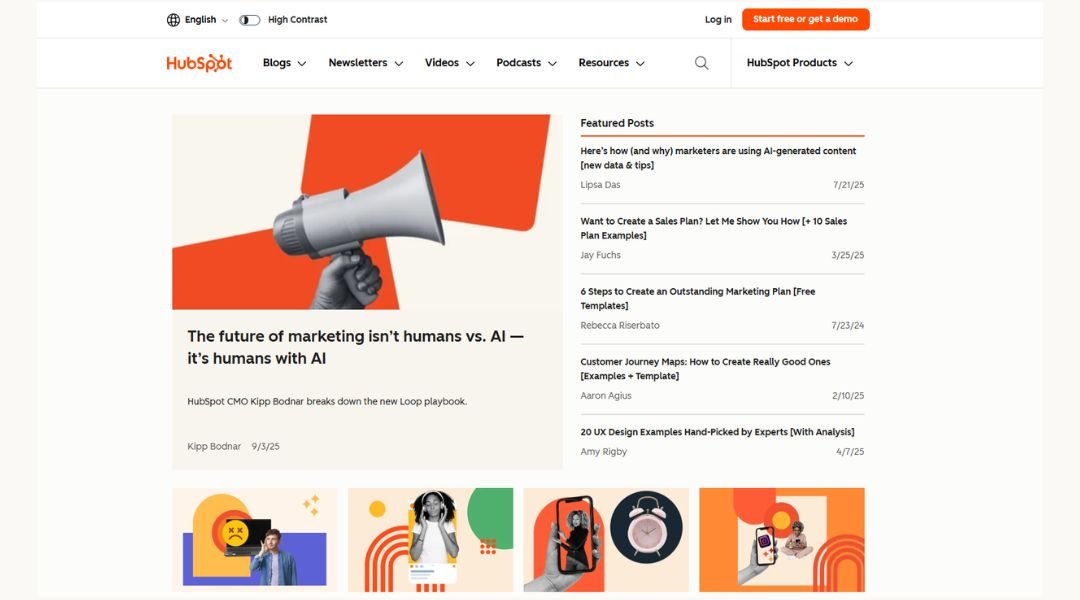
The HubSpot Blog is where business meets clarity. Whether you’re building a startup, managing a team, or just trying to make sense of the latest digital trends, this blog delivers practical, well-structured content that actually helps you move forward.
What sets it apart? It’s focused without being dry. From SEO how-tos to customer journey insights, the posts are built to be useful, not overwhelming. You get clear takeaways, smart visuals, and advice that feels actionable—not recycled.
There’s also a human tone running through it. The writers sound like professionals who’ve done the work, not just researched it. They break down complex ideas into something you can digest over coffee, not a conference call.
Whether you’re in marketing, sales, service, or leadership, the HubSpot Blog gives you the tools and thinking to improve how you work—without the jargon or the hype. It’s content that respects your time and helps you stay ahead, one article at a time.
17. I Am Baker
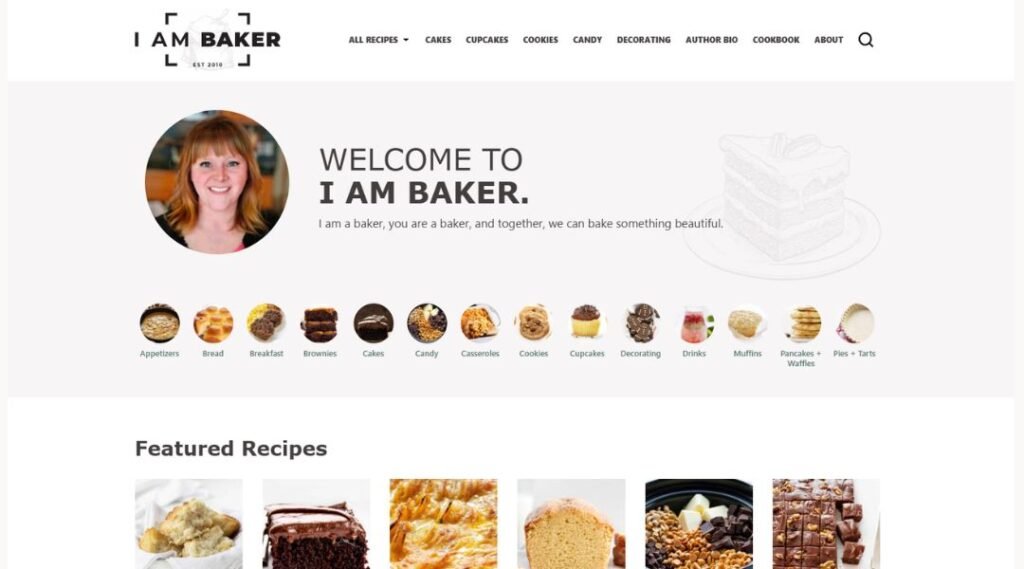
I Am Baker is more than a recipe blog—it’s a celebration of creativity, comfort, and a little bit of chaos (the good kind). Created by Amanda Rettke, the site is a go-to destination for anyone who loves baking with heart, humor, and just the right amount of frosting.
Each recipe is approachable, tested, and written with a warmth that makes you feel like you’re baking alongside a friend who knows her stuff but doesn’t take herself too seriously. Whether it’s an over-the-top layer cake, a batch of cookies for a Tuesday, or a classic with a twist, the instructions are clear and the results are crowd-pleasers.
What sets it apart? Personality. Amanda’s voice is confident but welcoming, with little moments of humor and honesty baked right in. It’s not about perfection—it’s about joy, flavor, and making something from scratch that people will remember.
Whether you’re a beginner baker or a seasoned pro, I Am Baker serves up inspiration that’s equal parts practical and delightful.
18. Minimalgoods
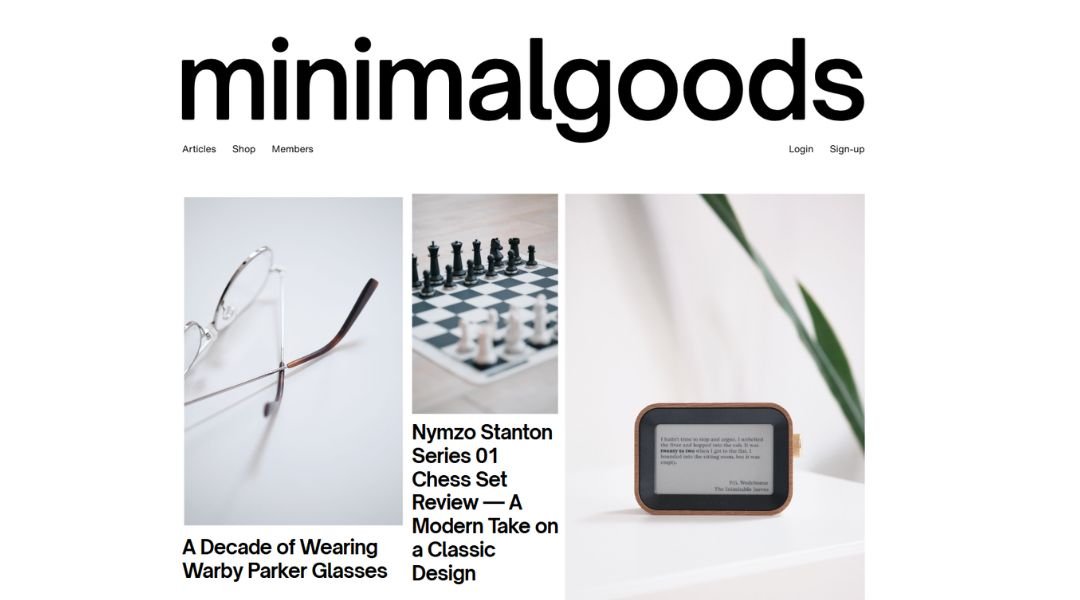
Minimal Goods isn’t about gadgets—it’s a curated shop and blog focused on well-considered tools for modern living. Each item and article celebrate thoughtful design, quality materials, and small details that make daily life just a bit better.
Their tone is quietly confident. Posts discuss why a stainless-steel water bottle matters, what makes a pen worth keeping, or how a travel pouch can cut down clutter—all without sounding lecture-y. The writing feels like advice from someone who’s tested and trusted these things, not just packaged a product line.
What makes it stand out? Intentional simplicity. There’s no hype or hard sell—just clear reasoning about function and longevity. You get a sense of why a scissors set is more than just a tool; it’s a mindful choice.
Whether you’re building a capsule collection of everyday carry items or just looking for a small upgrade, Minimal Goods offers options that balance utility, aesthetics, and sustainability. It’s about choosing less—but choosing better.
19. Openhouse Magazine
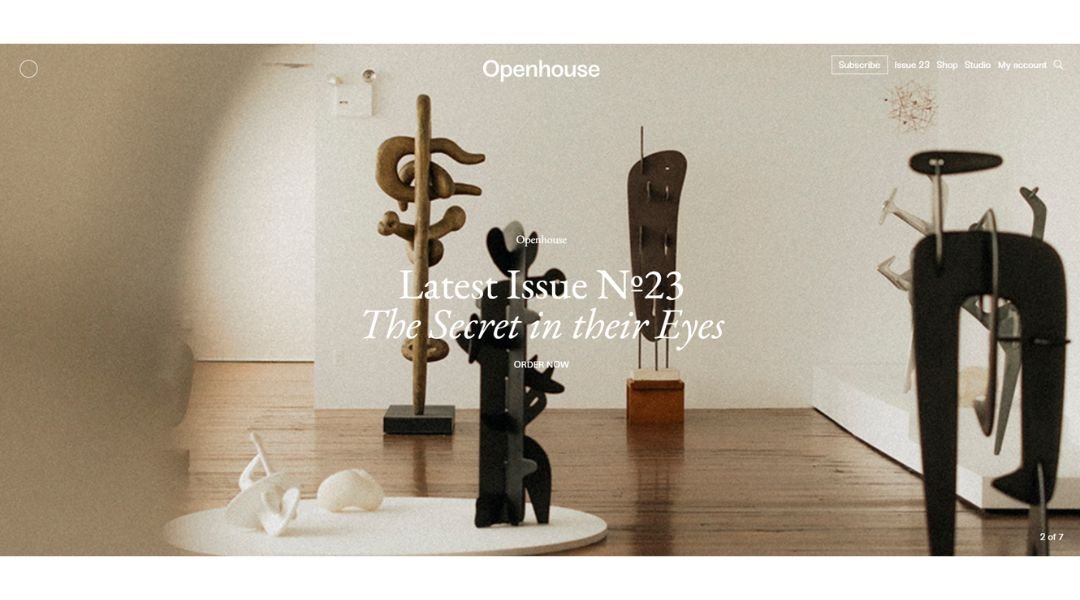
Openhouse Magazine is less about design trends and more about the people, places, and philosophies that shape how we live. Published biannually and crafted with care, it explores the intersection of architecture, art, and culture through spaces that are both functional and soulful.
Each issue opens the door to homes, studios, and environments where hospitality and creativity overlap. From quiet mountain retreats to urban sanctuaries, the features are immersive—told through thoughtful writing and striking photography that captures both form and feeling.
What sets Openhouse apart is its pace. It doesn’t rush to impress—it invites you to linger. The tone is reflective, grounded in authenticity, and focused on design that tells a deeper story. It’s less about what a space looks like, and more about what it means to those who inhabit it.
Whether in print or online, Openhouse creates a sense of shared experience—an ongoing conversation about beauty, intention, and connection across cultures and disciplines.
20. Kinfolk
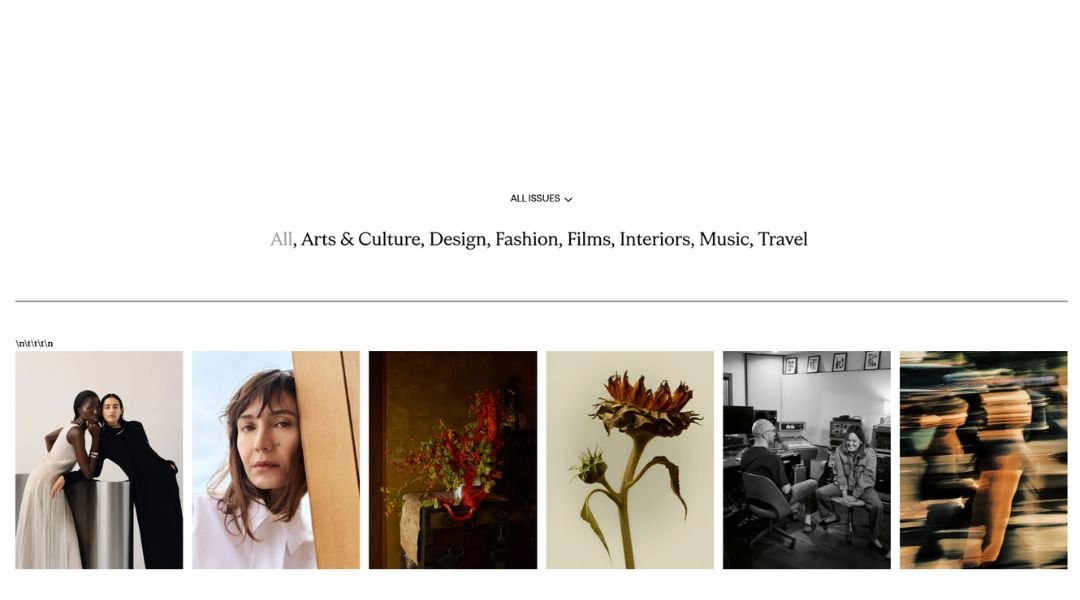
The Stories section of Kinfolk isn’t about speed—it’s about substance. Rooted in the magazine’s signature minimalism, each piece explores design, culture, and lifestyle with a thoughtful, almost meditative approach. There’s a clear respect for both craft and context.
You won’t find quick lists or trending headlines here. Instead, the writing is intentional—lean, precise, and deeply observant. Whether it’s a profile on a Japanese ceramicist or an exploration of architecture and emotion, the focus stays on meaning rather than noise.
What stands out is the calm confidence in the tone. The photography is as curated as the prose, inviting readers to pause and absorb. It’s storytelling designed for reflection, not just consumption.
Kinfolk’s Stories offer more than visuals and interviews—they create space. Space to consider how we live, what we value, and how aesthetics can align with purpose. It’s not just a read—it’s a reset.
Conclusion
There’s no one way to build a great page—but there are better ways. I’ve learned that layouts don’t have to be loud to be effective. They just need to guide, support, and make people want to keep looking.
So whether you’re starting from scratch or refreshing something that’s gotten a little stale, I hope these ideas sparked something useful. Take what fits, test what doesn’t, and feel free to ignore any “rules” that get in your way.
Because at the end of the day, a great layout isn’t just about design—it’s about making people feel comfortable enough to stay a little longer.
And hey, if your layout makes someone pause, smile, or scroll just one more second? You’re doing something right.