I still remember my early days in affiliate marketing—lots of excitement, a touch of confusion, and way too much coffee. If you’re here, chances are you’re curious about starting your own affiliate website but not sure which idea will actually work. The truth is, choosing the right niche can make or break your success.
That’s why in this guide, I’ll walk you through some of the best affiliate website ideas for beginners. My goal is simple: to give you practical niches that are proven to earn, without overwhelming you with jargon.
Here’s what you’ll learn:
How to pick beginner-friendly niches that have real earning potential
Examples of profitable affiliate website ideas that actually work
Why certain industries consistently deliver strong results
Tips on choosing a niche that matches both your interests and your audience’s needs
1. NerdWallet
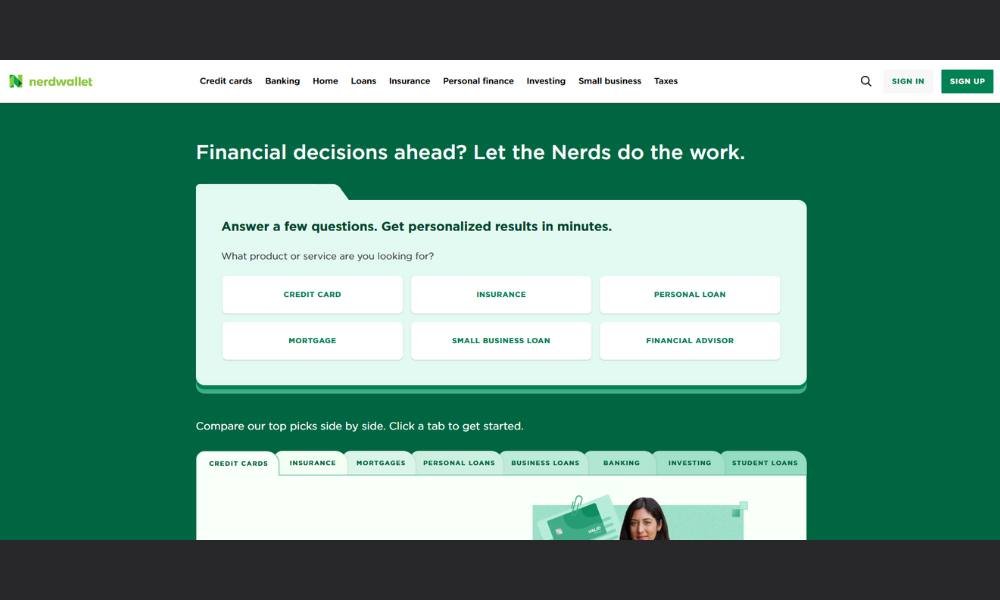
NerdWallet’s site is like a smart friend who actually reads the fine print—then explains it over coffee. Whether you’re choosing a credit card, comparing savings accounts, or wondering what APR even stands for, it keeps things simple without dumbing anything down.
The homepage is direct. Big icons, focused categories, and tools that are easy to find. You’re not buried under options—you’re guided. And the language? Clean, helpful, and refreshingly human.
Their About section goes beyond corporate buzzwords. You learn how the company started, what drives their mission, and why they believe clear financial advice should be free and accessible. No fluff. Just facts that matter.
What stands out most is tone. It’s confident without being cold, and friendly without trying too hard. Even complex topics—like mortgage refinancing or credit scores—feel approachable.
And yes, the site still knows you’re busy. It respects your time. Pages load fast. Info is clear. You can get what you came for and move on—or stick around and actually learn something new.
2. Verywell Fit

Verywell Fit feels like a friendly, no-pressure guide who knows fitness isn’t one-size-fits-all. Whether you’re trying to eat better, move more, or just figure out what counts as “healthy,” the site meets you where you are—without judgment.
The homepage is well-organized. Articles, meal ideas, and workout tips are easy to find. You’re not bombarded with hype. Instead, you get clean design and clear direction.
Their About section is brief but trustworthy. You learn that content is reviewed by experts and written with accuracy in mind. No buzzwords. Just practical help from people who know what they’re talking about.
What stands out is tone. The writing is approachable, realistic, and easy to follow—even when the topics are complex. Whether it’s macros, running shoes, or beginner workouts, the advice is grounded and respectful of your time and goals.
Verywell Fit doesn’t try to be trendy. It tries to be useful. And in a space where extreme advice is common, that kind of balance feels like a breath of fresh air.
3. Business News Daily

Business News Daily delivers information the way busy professionals need it: fast, focused, and straight to the point. Whether you’re launching a startup or managing a growing team, the site offers tools and advice that actually help—not just fill space.
The homepage makes it easy to get what you came for. Categories are clear, headlines are sharp, and articles are written to solve problems, not create new ones. No jargon walls. No guessing games.
The About section is efficient. You learn that the site exists to support small businesses with practical, up-to-date insights. There’s no fluff or empty slogans—just a mission that makes sense.
What stands out is usefulness. From tech recommendations to HR guides, the content is designed to be applied—not just read. The tone is professional but never stiff, with a focus on clarity and relevance.
Business News Daily isn’t here to impress with buzzwords. It’s here to inform. And for entrepreneurs who don’t have time to sift through noise, that kind of clarity is exactly what they’re looking for.
4. Skyscanner

Skyscanner feels like a travel-savvy friend who hands you the best deal without the drama. It isn’t a booking site—it’s a search engine that scans flights, hotels, and car rentals across hundreds of providers. You get clear options, no hidden fees, no surprises.
The homepage is clean and purpose-driven. You land on a search box with options for flights, stays, or car hires. Nearby airports, price alerts, and flexible date tools are just a click away. It’s intuitive and refreshingly fast.
Their About page keeps it grounded. You learn Skyscanner started in Scotland in 2003, aims for fairness, and checks billions of prices daily. Their promise? Be transparent, unbiased, and helpful.
What makes the site stand out is trust. The tone is neutral yet encouraging. Even smart features—like “Everywhere” search and price alerts—feel practical, not gimmicky .
Skyscanner doesn’t try to wow you. It just works—search, compare, decide. And for anyone planning travel on a budget or a schedule, that kind of reliability is exactly what you need.
5. Wirecutter

Wirecutter feels like your smartest friend helping you pick gear—with no nonsense, just good advice. Founded in 2011 by Brian Lam and now under The New York Times, it’s built on thorough guides and real tests.
The homepage is focused. You land on “best of” lists, clear product categories, and easy-to-find buying guides. No filler. Just tools to help you choose—fast.
Their About section shares the story: started by someone who loved reviews, kept trust intact even after a $30 million sale, and runs with integrity. You learn that recommendations are expert-led and revenue comes from affiliate links—not flashy ads.
What stands out most is tone. The site is confident but friendly. Even complicated topics—like “best air purifier” or “office chair” reviews—feel reliable and approachable. There’s no pressure to buy. Just clear info to help you decide.
Wirecutter doesn’t try to sell you hype. It offers honest picks and lets you trust the process. And for anyone tired of clickbait reviews, that kind of clarity is exactly what we all need.
6. Gear Patrol

Gear Patrol feels like a trusted friend who actually tests your gear before suggesting it. Founded in 2007, it covers everything from rugged outdoor tools to stylish watches and coffee gear. And it does so with smart detail, not hype.
The homepage is clean and functional. You’ll find product guides, reviews, and deals organized by category. The menus are clear. The tone is concise. You always know where to go.
Their About page explains the mission simply: “gear and stories that enrich life.” You learn they’ve earned awards, and their writers are hands-on and expert. It reads like a promise kept—no marketing fluff .
What stands out is clarity. Each review feels professional yet rooted in real experience. Whether it’s the best headlamp or a running shoe test, Gear Patrol feels like it’s on your side. The feature layouts, like product cards and summary boxes, highlight key specs fast—no scrolling required.
Gear Patrol doesn’t sell you a lifestyle. It earns your trust with honest, well-framed advice. And for anyone serious about their gear, that straightforward approach is exactly what matters.
7. The Points Guy

The Points Guy feels like a savvy friend who knows both travel and credit cards inside out. Founded by Brian Kelly in 2010, the site helps readers save money and maximize travel perks.
The homepage is sharp and intuitive. Menus like “Top Cards,” “Deals,” and “Guides” are easy to scan. You’re not bombarded with pop-ups—just clear paths to tools and tips that matter.
Their About section is refreshingly honest. You learn that TPG was born from Brian’s personal miles-and-points strategy—and that the team travels millions of miles a year to test everything.
What stands out is trust. Every recommendation is backed by firsthand experience and strict editorial standards. Even fine print is clear: deals are affiliate-supported, but editorial control stays with TPG.
The tone is polished but warm. Whether you explore credit card reviews, lounge guides, or destination tips, the voice stays grounded and useful. No hype. Just smart advice that helps you travel smarter—and travel further.
8. Minimalist Baker

Minimalist Baker feels like that friend who cooks healthy meals but doesn’t lecture you about kale. It delivers simple, tasty recipes with 10 ingredients or less, often in one bowl or under 30 minutes. Exactly what you want on a busy day.
The homepage is clean and focused. You’re met with mouth-watering photos, clear recipe categories, and easy filters for dietary needs. No distractions. Just good food and fast ideas.
Their About page is straight to the point. You learn the site began with a plan: keep cooking simple and inclusive. It’s run by a small team that tests every recipe. All eaters are welcome—vegan, gluten‑free, omnivore alike.
What stands out is trust. Recipes include clear prep time, servings, and even freezer instructions. You get reliable results, whether you’re making chickpea salad or cozy bean stew.
Minimalist Baker doesn’t chase trendy buzz. It aims to make home cooking feel doable and even fun. That kind of practical charm is a rare treat.
9. Fatherly

Fatherly feels like a trusted buddy for modern dads—wise, direct, and just real. The site launched in 2015 to give men practical advice on parenting, health, travel, and style. It’s not just for dads—it’s for anyone who appreciates grounded, thoughtful guidance.
The homepage is smart. You’ll find guides, gear lists, and how-to’s neatly arranged by topic. Whether it’s a road trip with kids or managing finances, every article is easy to find.
Their About content is straightforward. You learn the founders saw a gap for male-focused parenting content and set out to fill it. The tone is honest and sincere. There’s no fluff, no frills.
What stands out is balance. Even complex topics—like parental leave or smart tech picks—feel approachable and honest. Tone is friendly, not preachy; clear, not oversimplified. Add occasional humor, and you’ve got information that feels helpful and human.
Fatherly doesn’t try to be everything. It’s focused, useful, and refreshingly intentional. In a world full of noisy parenting sites, that kind of clarity is exactly what readers need.
10. Trusted Reviews

TrustedReviews comes across as a straight-talking guide to tech and gadgets. The site focuses on clear, expert reviews of phones, cameras, appliances, and more. Each recommendation is based on hands-on testing—not buzz or marketing speak.
The homepage is easy to scan. Categories like Mobile, Computing, and Home Appliances stand out. You land on bold headlines and crisp images. No clutter. Just the gear you care about.
Their About section tells you what matters: decades of testing tech in real-world use. It highlights their mission to help readers make smart buying decisions. No fluff—just a trusted source with a track record.
What really works is tone. Reviews read like advice from someone who’s tried it all—and survived. Whether you’re comparing headphones or looking for the best coffee maker, the writing is just technical enough and warm enough to feel helpful.
TrustedReviews doesn’t hype features. It breaks them down. And for anyone who wants reliable, unbiased insight before spending money, that kind of clarity is exactly what makes a review site worth bookmarking.
11. PCPartPicker

PCPartPicker feels like a tech-savvy friend who helps you build a custom PC without the guesswork. It’s where hobbyists, gamers, and professionals pick parts—with confidence.
The homepage is straightforward. You can compare CPUs, GPUs, motherboards, and more. Live price updates, compatibility filters, and user builds make browsing simple. No fluff. Just clear paths to what you need.
Their About info gives context—this tool started with a passion for PC building and grew into a trusted resource. The tone is humble but smart. No hype, just why and how it helps builders save time and money.
What stands out is trust. The compatibility checker and build guides are reliable. They’re backed by real user data and discussion. Whether you’re crafting a budget machine or a high-end rig, the site respects your time and budget.
PCPartPicker doesn’t overcomplicate the process. It breaks it down. And for anyone building a desktop, that kind of clarity is exactly what makes a difference.
12. VpnMentor

vpnMentor acts like your tech-savvy friend who explains VPNs in plain terms. It reviews virtual private networks, privacy tools, and internet security without making you feel out of your depth.
The homepage is structured and to the point. You land on categories like “Best VPN,” “Coupons,” and “Tools.” Navigation is easy. No ads screaming for attention.
Their About section is honest and grounded. You learn vpnMentor launched in 2014 and has since grown into a team of cybersecurity experts. They report on leaks, test hundreds of VPNs, and deliberate in rankings—even disclosing parent company ties for transparency.
What stands out is tone. Articles are knowledgeable but never preachy. They guide you from basics—“what is a VPN”—to advanced features like leak tests and server speed comparisons. That range, done simply, builds trust.
vpnMentor doesn’t promise miracles. It gives you tools, insight, and occasional warnings about shady providers. And in a space where hype and bias are common, a straightforward, honest guide feels like a rare and necessary resource.
13. ThisIsWhyImBroke

ThisIsWhyImBroke feels like a treasure chest of awesome gadgets you never knew you needed. The homepage shows off weird, fun, and sometimes absurd finds—jetpacks, tiny homes, gold phones. It’s a scrollable catalog of “I didn’t know that existed.”
Their About info tells the origin story simply: built by a hobbyist in 2011, fuelled by Reddit posts and affiliate clicks.
What stands out is trust and playfulness. The team doesn’t chase ads. They earn via honest affiliate links. Half the products are free picks from fans . You can feel they’re having fun—and that makes browsing fun, too.
Navigation is smart. Categories like Toys, Geeky, Home, and Men’s Gifts help you dive straight into whatever catches your eye. Infinite scroll keeps the surprises coming.
Yes, you could spend hours here. And yes—some items feel totally ridiculous. But that’s the point. This isn’t a regular store. It’s a showroom for curiosity, and a nudge to ask: “Why not buy that?”
14. SafeWise

SafeWise feels like a trusted local expert guiding you through home safety decisions. They focus on reviews, comparisons, and advice for security systems, smart gadgets, and family protection tools.
The homepage is thoughtfully organized. It highlights top-tier home security systems, camera reviews, and safety guides. You can scan categories like Kid Safety, Internet Security, and Senior Safety at a glance. It’s intuitive and no-nonsense.
Their About page explains the mission simply: empower people to build safer communities and worry less about home protection. They test products in-house, then offer unbiased advice—no pushy sales, no sponsorship bias.
What stands out is trust. Expert writers and testers do real-world tests. They explain methodology, break down findings, and highlight when something just didn’t work. That kind of honesty is rare.
SafeWise doesn’t sell fear. It gives practical solutions. For anyone who wants to protect their home and family without getting overwhelmed, the site is a breath of calm clarity.
15. Dog Food Advisor

Dog Food Advisor feels like a trusted friend who really cares what’s in your dog’s bowl. Founded by a dentist turned nutrition watchdog after a personal loss, it’s driven by a mission to protect pets and inform owners.
The homepage is well-structured. You’ll find clear categories—dry, fresh, wet food—and top-rated picks. It’s easy to search by breed or life stage. Every review starts strong with pros, cons, and ratings.
Their About page adds human touch. You learn why they began, who writes and reviews the content—a team of vets, editors, and pet lovers—and how they test each food. There’s no industry spin—just independent, evidence-based advice.
What stands out is tone. It’s confident without being preachy. Simple in presentation but backed by real data and lab-level analysis. Whether you’re checking recalls or comparing recalls or protein levels, the site is practical and honest.
Dog Food Advisor doesn’t wow you with flashy visuals. Instead, it builds trust with clarity, expertise, and genuine dog-first focus. And for any pet owner, that kind of straightforward support makes it a go-to resource.
16. HomeGrounds

Homegrounds is more than a coffee blog—it’s a community built on curiosity and caffeine. Founded with the simple idea that good coffee should be accessible to everyone, the site brings together guides, reviews, and brewing tips in a way that feels both professional and friendly.
What sets Homegrounds apart is its focus on helping readers make better coffee at home without unnecessary jargon. Instead of complicated formulas, you’ll find clear explanations and honest advice that even a Monday-morning brain can handle. Articles are written with both enthusiasts and beginners in mind, making it easy to learn at your own pace.
The site also has a playful side. You’ll notice the occasional wink of humour tucked between brewing techniques and gear recommendations, a reminder that coffee is supposed to be enjoyed—not treated like a chemistry experiment gone wrong.
Whether you’re experimenting with a new grinder or just looking to improve your morning cup, Homegrounds offers knowledge, insight, and a steady pour of enthusiasm.
17. The Penny Hoarder

The Penny Hoarder helps people get smart about money without turning finance into a lecture. Founded in 2010, it has grown into one of the largest personal-finance platforms in the United States. The site shares practical tips on earning, saving, and managing money—delivered in a way that’s clear, approachable, and easy to apply.
Millions of readers visit each month, a sign that useful advice never goes out of style. The Penny Hoarder also earned recognition as one of the fastest-growing private media companies, proving that personal finance content doesn’t have to be dry to be successful.
What makes it stand out is the mix of relatable tone and solid guidance. You’ll find coverage on side hustles, debt management, budgeting, investing, and everyday savings strategies. The content balances expertise with a touch of humour, reminding readers that money matters are serious, but learning about them doesn’t have to be dull.
18. Ruled me

Ruled.me takes the mystery out of the ketogenic diet. It’s a guide, a recipe hub, and a keto toolkit—all rolled into one. Whether you’re figuring out what to eat, what to avoid, or how to stay consistent, this site lays everything out clearly and practically.
What makes Ruled.me stand out is the way it blends expert-backed information with a friendly, encouraging tone. You’ll find keto basics, structured meal plans, a handy calculator, and hundreds of recipes—simple enough for everyday cooking but still flavourful enough to feel rewarding. There’s also the Keto Academy, which offers personalised meal planning, grocery lists, and nutrition breakdowns designed to keep the journey easy and sustainable.
The guidance comes from a trusted team of keto veterans and medical professionals who keep things straightforward and supportive. It’s informative without being overwhelming, practical without losing its spark. After all, eating healthy should be as enjoyable as it is effective.
19. Adam Enfroy

Adam Enfroy isn’t just another online entrepreneur—he’s the guide you wish you’d had when building your first blog. His site offers a practical roadmap for growing an affiliate marketing business from zero to six figures. It’s packed with real-world tactics, honest advice, and business strategies that feel less like theory and more like the notes you’d scribble in a coffee shop.
What catches your attention is how results are paired with clarity. You get deep dives into SEO, content planning, tech stack essentials, and scaling strategies—all explained in a straightforward, no-frills way. There’s also a refreshingly candid tone; you sense that what you’re reading has been tested, fine-tuned, and lived through.
Whether you’re starting a side project or aiming to run a full-time digital business, Adam speaks your language. His approach combines the savvy of a marketer with the friendliness of a peer. In short, he makes online business feel doable, supported—and yes, even a little fun.
Conclusion
My advice is simple: don’t overthink the starting point. Every profitable affiliate website began with one small decision—the niche. I’ve shared the ideas that I’ve seen work for beginners, but the magic only happens once you put them into practice.
Pick one, get started, and keep learning as you go. Remember, progress beats perfection (and yes, your first site might look less “polished” than you’d like—but so did mine). What matters most is taking action today.
Affiliate marketing rewards consistency, creativity, and patience. If you stick with it, the niches I’ve outlined here can grow into something that supports not just your income but your independence. And that, to me, is the real win.